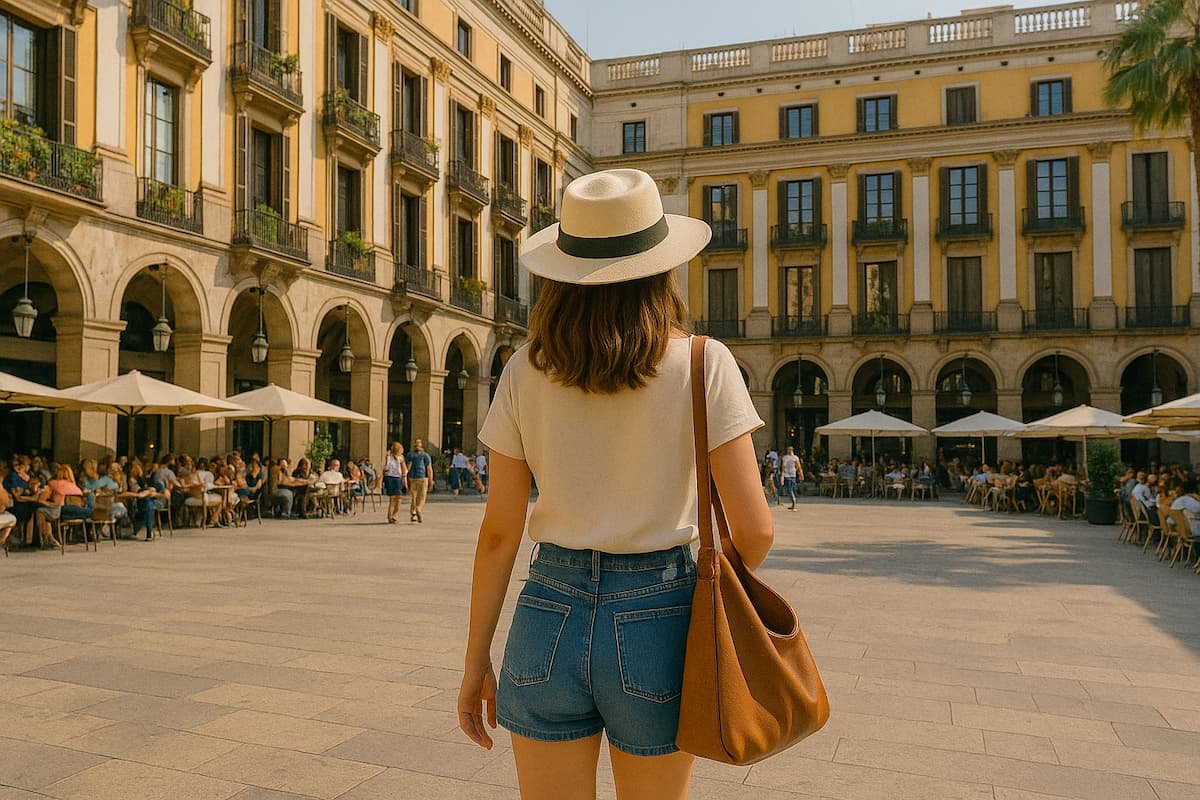
Venturing into Barcelona's ancient heart, the Gothic Quarter, isn't just a step back in time—it’s an immersion into a culinary world where history flavors every dish. From hidden taverns serving ancestral recipes to modern bistros pushing Catalan boundaries, discovering the best restaurants Gothic Quarter Barcelona offers means peeling back layers of tradition and innovation. This isn't about mere sustenance; it's about connecting with a city's soul, one authentic bite at a time.
At a Glance: Crafting Your Gothic Quarter Dining Journey
- Spot Authenticity: Learn to identify genuine local eateries beyond tourist traps by observing crowd demographics and menu presentation.
- Time Your Meals Like a Local: Understand Barcelona’s unique dining schedule to snag the best tables and value, especially with the "Menu del Día."
- Explore Diverse Flavors: Discover a curated selection of restaurants, from age-old Catalan institutions to innovative modern kitchens and dedicated plant-based havens.
- Master the Local Lingo: Arm yourself with key phrases for ordering and dietary needs, ensuring a smooth and enjoyable experience.
- Savor Traditional Dishes: Get acquainted with essential Catalan comfort foods and tapas, complete with drink pairing suggestions.
- Book Smart: Know when and why reservations are crucial, especially for popular spots and weekend dining.
The Gothic Quarter’s Culinary Tapestry: Beyond the Postcard Views
The Gothic Quarter, with its labyrinthine alleys and centuries-old stones, feels like a living museum. But beneath its grand facades and charming plazas lies a vibrant gastronomic scene that perfectly mirrors its history: a blend of deeply rooted traditions and contemporary flair. This district isn’t just geographically central; it’s the historical nucleus of Barcelona, and its dining reflects that legacy. Here, you’ll find eateries that have been serving the same families for generations, alongside establishments redefining Catalan cuisine with global influences. The challenge, and the delight, lies in navigating this rich landscape to unearth truly authentic dining experiences away from the common tourist paths.
Decoding Authenticity: How to Spot a Local Gem
Finding the best restaurants Gothic Quarter Barcelona has to offer isn't always about the highest ratings online; it's often about reading between the lines and embracing local wisdom.
"Get Lost" and Discover the Unseen
Some of the most memorable meals in the Gothic Quarter come from unplanned detours down shadowy side streets. Resist the urge to stick to the main thoroughfares, which often house generic, overpriced establishments. True gems hide in plain sight, tucked away in quiet corners. A good rule of thumb: if a street is bustling with tourists and every menu has pictures, keep walking. Authentic spots prioritize flavor and fresh ingredients over flashy displays.
Follow the Locals, Not the Flashy Menus
The most reliable indicator of a genuinely good restaurant is its clientele. If a place is filled with Catalans speaking their regional tongue, it’s a strong sign of quality and authenticity. Be wary of restaurants aggressively touting "cheap set menus" or those displaying multilingual menus with glossy, unappetizing food photos. Locals avoid these. Instead, look for handwritten menus (or chalkboards) and bustling, intimate spaces. A friendly barista or local shopkeeper can also be an invaluable source for hidden recommendations—don't hesitate to ask!
The "Menu del Día" Advantage: A Midday Treasure
For the best value and a true taste of local dining culture, embrace the "Menu del Día." Available primarily during lunch hours (typically 1 PM to 4 PM on weekdays), this three-course fixed-price menu often includes a drink (wine or water) and coffee, offering incredible value (often €12-€20). It’s a cultural institution, allowing chefs to showcase seasonal ingredients. If a restaurant offers a "Menu del Día" and it’s busy with local office workers, you've likely struck gold.
Reviews as a Compass, Not a Map
While online reviews can be helpful, learn to filter them. Prioritize reviews that use words like "authentic," "family-run," "locals eat here," or "traditional." Be cautious of reviews that focus solely on price or speed, as these might overlook the nuances of quality and experience that define truly authentic dining.
A Curated Guide to Gothic Quarter's Culinary Stars
The sheer volume of eateries can be overwhelming. To help you zero in on the best restaurants Gothic Quarter Barcelona has for an authentic experience, here’s a curated selection, categorized by their distinct offerings.
Timeless Catalan Cornerstones: Heritage on a Plate
These establishments are pillars of Barcelona's dining scene, offering traditional Catalan cuisine steeped in history.
- Can Culleretes (Carrer d'en Quintana, 5): Established in 1786, this is Barcelona's oldest restaurant, a must-visit for its historical significance and classic Catalan fare. Expect high ceilings, exposed brick, and a menu featuring hearty dishes like paella, wild boar stew, Catalan-style roasted suckling pig, and their renowned crema Catalana. It’s open mainly for lunch, with dinner on Thursdays, Fridays, and Saturdays—a vital detail for planning.
- Els 4Gats (Carrer de Montsió, 3): Frequented by Picasso and other Modernist artists, Els 4Gats offers not just a meal, but an experience. Its artistic ambiance complements a menu that includes grilled octopus and slow-cooked beef cheeks, ensuring a taste of history with every bite.
- Los Caracoles (Carrer dels Escudellers, 14): A family-run institution since 1835, famous for its street-side roasting chickens that draw you in with their aroma. Specialties include their namesake house special snails, bouillabaisse fish stew, and more of that classic crema Catalana.
Modern Mediterranean & Innovative Catalan: A Fresh Perspective
These spots blend traditional Catalan and Mediterranean ingredients with contemporary techniques and global inspirations.
- El Salón (Carrer de Hostal de Sant Ramon, 2): Balancing meat and fish expertly, El Salón is known for dishes like swordfish carpaccio and duck confit, alongside homemade desserts. Its vintage 80s British-style decor with a bohemian twist provides a unique backdrop, with weekend dinners extending late with music and drinks.
- Pla (Carrer de Bellafila, 5): Offering Mediterranean-inspired cuisine with a Spanish influence, Pla stands out with its diverse menu of fish, meats, salads, and seasonal specialties. It serves traditional Spanish dishes with unexpected twists in a classy yet welcoming setting.
- Arcano (Carrer dels Tantarantana, 15 - Born District, adjacent to Gothic): Housed in a 17th-century building, Arcano offers Mediterranean cuisine with an innovative approach. Since 2012, it's known for national and imported meats, but also excels with dishes like tuna tartare and creamy burrata. Its decor blends modern furniture with rustic elements, making for a chic dining experience.
- Direkte Boqueria (La Rambla, 91 - Inside La Boqueria Market): A truly unique experience where chefs Arnau Muñío and Shu Zhang (Chef of the Year) prepare dishes live. This spot masterfully blends Catalan cuisine with Asian influences. Choose a short (7 dishes + 2 desserts) or long (10 dishes + 2 desserts) menu featuring local, seasonal ingredients. The matcha cheesecake is a highlight.
Tapas & Small Plates Mastery: The Art of Sharing
Tapas are integral to Spanish dining. These places excel at small, flavorful plates perfect for sharing.
- L’Antic Bocoi Del Gotic (Carrer del Regomir, 10): A cozy, charming venue specializing in traditional cocas (Catalan-style flatbreads) with various toppings like Gorgonzola, Sobrasada, and arugula. They also feature local produce, meats, cheeses, and regional wines, all wrapped in a genuinely local ambiance.
- La Plata (Carrer de la Mercè, 28): A popular local haunt, La Plata is famous for its limited seating and short menu but incredibly high-quality, fresh seafood tapas with wine from the barrel. Don't miss the grilled sardines, salted anchovies, and fried peppers in this cozy, intimate environment.
- El Xampanyet (Carrer de Montcada, 22 - Near Picasso Museum): A local favorite since 1929, this bustling, warm bodega is perfect for an energetic tapas experience. Must-tries include melt-in-your-mouth anchovies, rich Iberian ham, and their house-made sparkling cava (xampanyet). Most tapas are budget-friendly, ranging from €3–€7.
- Sensi Tapas (Carrer del Regomir, 7; Carrer Ample, 26; Carrer Milans, 4): With multiple establishments, Sensi Tapas offers high-quality, creative tapas. Highlights include grilled octopus with truffle oil and crispy pork belly with apple puree. They also have a dedicated vegetarian tapas menu with vegan options like ‘roasted chicken’ croquettes.
Specialty & Niche Experiences: Beyond the Expected
For those seeking something specific, from regional Italian to dedicated plant-based dining.
- Bacaro (Carrer de la Vidrieria, 16): An authentic Italian experience bringing Venetian cuisine to the Gothic Quarter. With a brief menu (no pizzas!), highlights include eggplant parmigiana with basil mousseline and strozzapreti with Genovese ragù.
- Bistrot Levante (Placeta de Manuel Ribé, 1): Mediterranean cuisine with an Ottolenghi-inspired twist. Expect dishes like eggplant with tahini and pomegranate or roasted spiced cauliflower. They offer about 25 open wine bottles for sampling, paired with tapas-style plates, and host "Vino & Co Friday nights." Also great for Mediterranean-inspired breakfast/brunch.
- Rasoterra (Carrer de Palau, 5 - Veg-friendly): A legendary name in Barcelona’s veggie scene, Rasoterra is a healthy culinary retreat featuring dishes crafted from local organic ingredients, including egg cassolettes. The atmosphere feels like a greenhouse café, and the dishes are art.
- Vegetalia (Carrer dels Escudellers, 54 - Veg-friendly): A cozy spot near the Gothic Quarter’s edge, offering vegan sangria and a variety of plant-based tapas like vegan croquettes.
- Caelis (Via Laietana, 49 - In Ohla Barcelona Hotel, near Gothic/Born border): For a truly special occasion, Caelis is a Michelin-starred restaurant with Chef Romain Fornell’s open-kitchen concept. Drawing from Mediterranean tradition with French nuances (e.g., sea bass au beurre blanc), it offers exquisite multiple-course menus ranging from €95 to €140 (excluding wine).
Navigating Your Dining Adventure: Practicalities & Pitfalls
Beyond choosing a restaurant, understanding Barcelona's dining rhythm is key to a seamless experience. If you’re planning a broader culinary exploration, remember to Discover authentic Barcelona food gems across the city’s diverse districts.
Timing Your Barcelona Bites
Barcelona operates on a late dining schedule. Lunch typically runs from 1 PM to 4 PM, with dinner starting around 8:30 PM, often stretching past 11 PM. Many kitchens close between these periods, so check specific opening times to avoid disappointment. Weekdays, particularly Tuesday to Thursday, offer a more relaxed dining atmosphere with fewer crowds than the bustling weekends.
Booking Smart: When and Where It Matters
For highly rated or well-known establishments, especially during peak dinner hours (9 PM onwards) or on weekends, booking ahead is almost always necessary. Popular local favorites like Can Culleretes or Els 4Gats can fill up quickly. A simple online reservation or a phone call can save you a long wait or disappointment. For smaller, more informal tapas bars, walk-ins are usually fine, but be prepared for a lively, standing-room-only experience during busy times.
Language & Flexibility for Plant-Based Diners
While many establishments in the Gothic Quarter are increasingly accommodating, learning a few basic phrases can greatly enhance your dining experience, especially for plant-based requests.
- "Soy vegano/a" (I am vegan)
- "Soy vegetariano/a" (I am vegetarian)
- "Sin carne" (without meat), "sin pescado" (without fish), "sin lácteos" (without dairy), "sin huevos" (without eggs)
Traditional sauces or stews may contain hidden animal products (e.g., anchovy paste, cheese). Ask politely, and be open to chefs creating something special with fresh, naturally plant-based options like Patatas Bravas (ask for no aioli or egg-free aioli), Pimientos de Padrón, Escalivada, or Pa amb Tomàquet. The HappyCow app can also be a lifesaver for finding dedicated vegan and vegetarian spots.
The Art of Pairing: Drinks with Your Dish
Elevate your meal by pairing it with local Catalan beverages.
- Local Wines: Catalonia boasts celebrated wine regions like Penedès (known for Cava and white wines), Priorat, and Montsant (for bold reds).
- Cava: This sparkling wine is light, dry, and floral—perfect as an aperitif or with seafood, salads, and most tapas.
- Red Wines: Fuller-bodied reds from Priorat or Montsant are excellent with hearty meat dishes like Botifarra amb Mongetes or rich stews.
- White Wines: Crisp whites from Penedès or Empordà complement lighter fare such as fried tapas, grilled fish, and vegetables.
- Pro Tip: Always ask your server for local pairing recommendations; they know their wines best.
- Craft Beer: Barcelona's craft beer scene has exploded. Look for local lagers or pilsners with salty tapas, or IPAs with spiced or fried dishes.
- Non-Alcoholic Options: Beyond water and fresh juices, try Horchata, a traditional Valencian drink made from tiger nuts. Creamy, subtly sweet, and unique, it pairs surprisingly well with desserts or even spicy dishes.
The Local Food Glossary: Must-Know Catalan Flavors
To truly appreciate the best restaurants Gothic Quarter Barcelona has to offer, familiarize yourself with these essential Catalan dishes:
- Escudella: A rich, hearty stew of meat, vegetables, and chickpeas, often enjoyed during colder months. The ultimate Catalan comfort food.
- Suquet de Peix: A traditional fisherman’s stew, fragrant with saffron, garlic, and an array of fresh fish.
- Botifarra amb Mongetes: A simple yet satisfying dish of grilled botifarra sausages (a type of Catalan sausage) served with creamy white beans.
- Patatas Bravas: Crispy, golden fried potato cubes, typically smothered in a spicy tomato sauce and a dollop of creamy aioli. (Vegetarian if aioli is egg-free).
- Pulpo a la Gallega: While Galician in origin, this tender octopus drizzled with smoky paprika and olive oil is a popular tapa across Spain, including Barcelona.
- Pa amb Tomàquet (Pan Con Tomate): A quintessential Catalan ritual. Toasted rustic bread rubbed with garlic and juicy tomato, finished with olive oil and sea salt. Naturally vegetarian.
- Crema Catalana: Catalonia's answer to crème brûlée, a velvety custard infused with lemon zest and cinnamon, topped with a perfectly cracked caramelized sugar crust.
- Mel i Mató: A simple, traditional dessert featuring soft Catalan fresh cheese drizzled with local wildflower honey.
- Pimientos de Padrón: Small, green chili peppers, fried in olive oil and sprinkled with sea salt. Be warned: "unos pican, otros non" (some are spicy, others are not). Naturally vegetarian.
- Escalivada: A flavorful vegetarian dish of roasted eggplant, peppers, and onions, cooled and dressed with olive oil.
Quick Answers for Savvy Diners
What makes Gothic Quarter restaurants unique compared to other Barcelona neighborhoods?
The Gothic Quarter's restaurants blend centuries of history with vibrant local life. Dining here offers a connection to Barcelona’s past and present, with dishes steeped in tradition and settings often located within ancient stone buildings or charming, hidden alleys. It's an immersive historical experience alongside your meal.
Are there good vegan or vegetarian options among the best restaurants Gothic Quarter Barcelona?
Absolutely. Barcelona, and the Gothic Quarter specifically, has embraced plant-based dining. Many restaurants, both traditional and modern, offer creative vegetarian and vegan tapas or main courses, often utilizing fresh, local organic ingredients. Look for dedicated vegetarian restaurants like Rasoterra or Vegetalia, or ask for modifications at traditional tapas bars.
How can I avoid tourist traps when looking for authentic dining?
The key is to follow the locals. Seek out bustling establishments tucked away in quieter alleys, rather than those on main tourist streets with flashy signs and picture menus. Ask baristas or hotel staff for their personal recommendations, and prioritize restaurants that seem to cater to a local Spanish-speaking crowd.
Is it necessary to book a table in advance for popular Gothic Quarter restaurants?
Yes, for well-known or highly-rated restaurants, especially during peak dinner hours (8:30 PM onwards) and on weekends, booking in advance is highly recommended. This ensures you secure a table and avoid disappointment, allowing you to fully enjoy your chosen dining experience.
How can I best experience the local food culture in the Gothic Quarter?
Embrace Barcelona’s unhurried pace. Share dishes, engage with the staff, and savor your meal slowly. Dining here is a communal activity, a chance to connect with friends, family, and even strangers. Don't rush; let the experience unfold, and you'll uncover stories and flavors that make your visit truly memorable.
Your Gothic Quarter Culinary Playbook
To truly dine like a local in Barcelona’s historic heart, start by venturing off the beaten path. Look for lively spots filled with locals, not just tourists, and don't shy away from the "Menu del Día" for a taste of authentic value. Plan your dinners for later in the evening, around 9 PM, and make reservations for any highly sought-after spots. Be adventurous with local dishes like Escudella or Pa amb Tomàquet, and pair them with regional wines or craft beers. For plant-based diners, a few key phrases and a willingness to explore will open up a world of delicious options. Your culinary journey through the Gothic Quarter isn't just about eating; it's about experiencing Barcelona's vibrant past and present on a plate.