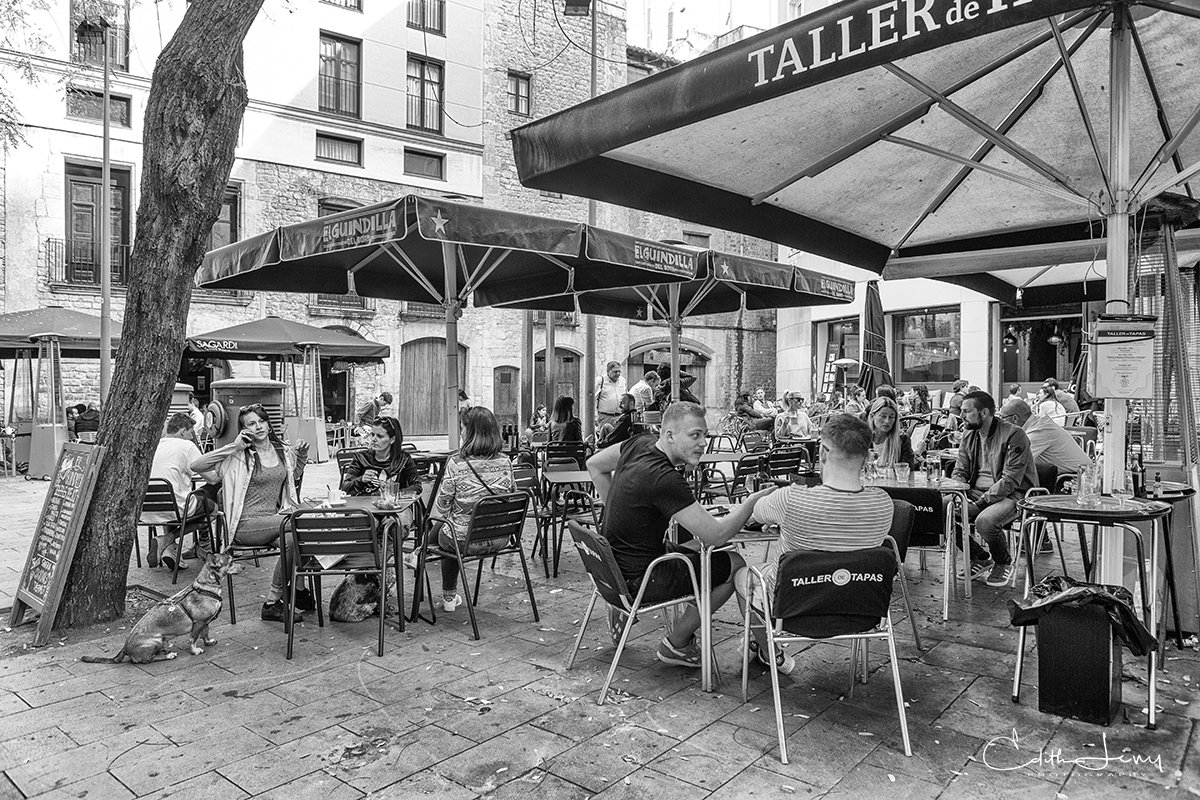
Barcelona is a city that doesn't just offer food; it orchestrates a symphony of flavors, a culinary dance where ancient traditions waltz with daring innovation. To truly savor its essence, you need to look beyond the well-trodden paths and understand that Dining by Barcelona Neighborhood isn't just about geography – it's about unlocking distinct dining cultures, hidden gems, and local secrets that transform a meal into an unforgettable experience. Forget generic tourist traps; this guide will help you navigate Barcelona's vibrant culinary landscape like a seasoned local, ensuring every bite is authentic, delicious, and deeply satisfying.
At a Glance: Your Barcelona Dining Cheat Sheet
- Meal Times are Different: Lunch is typically 2-4 PM, dinner 9 PM or later. Plan accordingly!
- "Menú del Día" is Your Friend: Amazing value (3 courses + drink for €12-15) for lunch on weekdays.
- Markets are Essential: Skip La Boqueria for primary shopping; visit Sant Antoni or Santa Caterina for authentic local vibes.
- Reservations are Key: Especially for popular or high-end spots, book well in advance.
- Tipping is Appreciated, Not Obligatory: 5-10% for good service is a nice gesture.
- Embrace the Pace: Service can be slower; it's part of the relaxed Mediterranean dining culture.
- Look for Locals: The best sign of an authentic, high-quality eatery.
- Must-Try Dishes: Pa amb tomàquet, fideuà, escalivada, crema catalana, and don't forget the incredible fresh seafood.
Barcelona's Culinary Heartbeat: Beyond the Postcard Views
Barcelona's food scene is a testament to its rich history and prime Mediterranean location. It's where the robust flavors of traditional Catalan cuisine meet the innovative spirit of modern gastronomy, all built upon a foundation of incredibly fresh, seasonal ingredients. This isn't just about eating; it's about connecting with the land, the sea, and the passionate people who bring these dishes to life.
While the city's overall culinary identity is strong, each of its diverse neighborhoods adds its own unique flavor profile, its own rhythm, and its own set of must-visit establishments. Understanding these nuances is the key to unlocking an authentic local food journey.
Decoding Barcelona's Dining Culture: What to Expect
Before we dive into the delicious specifics of each district, let's establish some fundamental aspects of dining in Barcelona. Embracing these local customs will not only make your experience smoother but also richer.
The Rhythm of the Day: Meal Times & What to Expect
Forget your typical breakfast, lunch, and dinner schedule. Barcelona operates on its own delightful clock:
- Breakfast (Esrudi): Usually light, a coffee and a pastry (croissant or ensaimada) or a bocadillo (sandwich) enjoyed mid-morning.
- Lunch (Dinar): This is the main meal of the day, typically between 2 PM and 4 PM. It's substantial, often involving multiple courses, and a prime opportunity to experience the "Menú del Día."
- Afternoon Snack (Berenar): A smaller bite between lunch and dinner, common for children and those with earlier dinner plans.
- Dinner (Sopar): A late affair, rarely starting before 9 PM, and often stretching well into the night. Many restaurants don't even open their kitchens until 8:30 PM. Plan to enjoy a pre-dinner drink or tapas to tide you over.
The "Menú del Día": Your Midday Secret Weapon
If you're looking for incredible value without compromising on quality, the "Menú del Día" is your absolute best bet. Offered by many restaurants on weekdays during lunchtime (roughly 1 PM to 4 PM), this fixed-price menu typically includes:
- A choice of 2-3 starters (primer plato)
- A choice of 2-3 main courses (segundo plato)
- Dessert or coffee
- A drink (water, wine, or beer)
All for a remarkable €12-15. It's a fantastic way to sample local cuisine and enjoy a proper, sit-down meal that will fuel your afternoon explorations. Look for signs outside restaurants advertising "Menú del Día" or "Menú Diari."
Navigating Reservations & Spontaneity
Barcelona's most sought-after culinary experiences require foresight. For Michelin-starred establishments, cutting-edge restaurants, or anything highly reviewed, you'll need to reserve weeks, if not months, in advance. Even popular mid-range restaurants can book up on weekends.
If you prefer spontaneity:
- Dine Early: Arrive right at opening (1 PM for lunch, 8 PM for dinner) to snag a table before the rush.
- Go Mid-Week: Tuesday through Thursday typically offers more availability.
- Embrace the Bar: Many tapas bars operate on a first-come, first-served basis, allowing you to perch at the counter.
Tipping & Service Etiquette
Unlike in some countries, tipping in Spain is appreciated but not strictly obligatory. Service charges are usually included in the price. However, if you've received good service, leaving 5-10% of the bill is a thoughtful gesture. For exceptional service, you might round up or leave a bit more.
Expect a slower pace of service than you might be used to. This isn't inefficiency; it's a reflection of a more relaxed dining culture where meals are meant to be savored, not rushed. Don't be afraid to flag down a waiter if you need something, but try to settle into the leisurely rhythm.
A few other pointers:
- Water: Bottled water is common; if you ask for tap water, you might get a puzzled look, though it's perfectly safe to drink.
- Bread: Bread is often brought to the table and might incur a small charge, usually just a euro or two per person.
- Splitting Bills: Generally accommodated, but it's easier if you mention it upfront.
Ordering Like a Local
While English is widely spoken in tourist areas, a few basic Catalan phrases will go a long way in endearing you to locals:
- "Bon dia" (good morning/day)
- "Bona tarda" (good afternoon/evening)
- "Bon profit" (enjoy your meal)
- "Molt bo" (very good)
- "Una taula per a dos, si us plau" (a table for two, please)
- "El compte, si us plau" (the bill, please)
Neighborhood Spotlight: Where to Eat What
Now, let's embark on a delicious tour through Barcelona's most distinct dining neighborhoods. Each offers a unique flavor and atmosphere, catering to different tastes and occasions.
Gràcia: Bohemian Charm Meets Culinary Innovation
Once an independent village, Gràcia retains a distinct, relaxed, and artistic vibe with beautiful squares and independent boutiques. It's less touristy than the city center, making it a fantastic place to find authentic, high-quality food.
- Vibe: Village-like, bohemian, artistic, family-friendly squares.
- Culinary Specializations: Traditional Catalan, creative tapas, a rich hub for vegetarian and vegan dining.
- Recommendations:
- Cal Boter: A Gràcia institution, serving robust, traditional Catalan dishes in a rustic setting. Think grilled meats, hearty stews, and generous portions.
- La Pepita: Famous for its creative, modern tapas with a twist. Expect innovative flavor combinations and a lively atmosphere. Reservations are often a must.
- Rasoterra: A sophisticated vegetarian restaurant proving plant-based dining can be elegant and gourmet. Their tasting menus are a highlight.
- Hidden Gems: Wander the smaller streets off Plaça del Sol or Plaça de la Vila de Gràcia to discover charming local spots. Gràcia is truly home to some incredible gràcia hidden gem restaurants, offering everything from cozy bakeries to avant-garde fusion.
El Born: Historic Flair, Modern Palate
El Born is a captivating blend of medieval charm and modern sophistication. Its narrow, winding streets are packed with history, artisan workshops, and trendy bars and restaurants. It's a fantastic spot for a vibrant evening out.
- Vibe: Historic, trendy, lively, bustling, especially at night.
- Culinary Specializations: Classic tapas, cava bars, excellent wine lists, also a good area for plant-based options.
- Recommendations:
- El Xampanyet: A legendary, standing-room-only cava bar serving traditional tapas alongside their famous sparkling wine. It's loud, crowded, and utterly authentic.
- Bodega Maestrazgo: A beautiful wine bar with a fantastic selection of natural wines and excellent charcuterie.
- El Born's proximity to Barceloneta also means good access to fresh seafood, though you'll want to head closer to the beach for the freshest catches. The neighborhood also boasts a good number of vegan and vegetarian-friendly eateries.
Gothic Quarter: Pintxos, History, and Hidden Alleys
The oldest part of Barcelona, the Gothic Quarter is a labyrinth of ancient streets, stunning architecture, and unexpected culinary delights. While some areas can be touristy, its hidden corners hold genuine treasures.
- Vibe: Historic, atmospheric, bustling, can be very touristy.
- Culinary Specializations: Basque pintxos, traditional Catalan, international options.
- Recommendations:
- Irati Taverna Basca: An absolute must for authentic Basque pintxos (small, artfully presented bites typically served on bread). You pick what you like from the bar, and they tally your bill by the number of toothpicks.
- Exploring the Gothic Quarter can be an adventure in itself, and finding the Best Gothic Quarter Restaurants often means stepping off the main thoroughfares into more secluded plazas.
- Look for smaller, family-run eateries tucked away on side streets for more traditional fare.
Eixample: Michelin Stars and Elegant Eateries
Eixample, characterized by its grand boulevards and distinctive grid pattern, is Barcelona's most elegant district. It's home to a significant number of the city's fine dining establishments, including many of its Michelin-starred restaurants.
- Vibe: Elegant, upscale, grand, wide streets, architectural splendor.
- Culinary Specializations: Innovative fine dining, Michelin-starred cuisine, modern Catalan, Mediterranean seafood.
- Recommendations:
- Disfrutar: An avant-garde experience influenced by the legendary elBulli, holding multiple Michelin stars. Expect creative, playful, and mind-bending dishes. Book months in advance.
- Enoteca Paco Pérez: Awarded two Michelin stars, this restaurant specializes in refined Mediterranean seafood with a sophisticated touch. Located in the Arts Hotel.
- Moments: Another two-Michelin-starred gem located in the Mandarin Oriental, focusing on modern Catalan cuisine.
- Alkimia: A Michelin-starred restaurant celebrating Catalan heritage through modern techniques. They also offer a creative plant-based tasting menu.
- Eixample’s wide boulevards and architectural beauty also lend themselves to some fantastic spots with Outdoor seating in Eixample, perfect for enjoying a sophisticated meal al fresco.
Barceloneta & Poblenou: The Call of the Sea
For the freshest seafood and a relaxed, beachfront atmosphere, look no further than Barceloneta. Just next door, the formerly industrial Poblenou has transformed into a trendy hub with a strong culinary scene.
- Vibe (Barceloneta): Beachfront, lively, bustling, touristy in parts.
- Vibe (Poblenou): Modern, up-and-coming, creative, less touristy, with a mix of old industrial charm and new developments.
- Culinary Specializations: Fresh seafood (Barceloneta), fideuà, suquet de peix, modern Catalan (Poblenou).
- Recommendations:
- Els Pescadors (Poblenou): A seafood institution since 1980, known for its traditional preparations and high-quality catch. Located slightly inland, offering a more refined experience than some beachfront spots.
- El 58 (Poblenou): A popular spot for modern Catalan classics and excellent tapas in a lively setting.
- Amar: A newer highlight, Amar features daily changing menus based on the local fishermen's catch – think exquisite sea urchin and shrimp tartare with caviar.
- Avoiding Tourist Traps in Barceloneta: Be wary of restaurants directly on the beach promenade that have staff luring customers, prominent "paella specials" with photos, or translated menus without a Catalan version. Look for establishments a street or two back, filled with locals.
Sant Antoni & Poble Sec: Tapas, Vermouth, and Local Buzz
These adjacent neighborhoods are quickly gaining a reputation for their vibrant food scenes, particularly for traditional and creative tapas, vermouth bars, and a buzzing local atmosphere.
- Vibe: Trendy, authentic, local, lively, excellent for a tapas crawl.
- Culinary Specializations: Traditional tapas, creative montaditos (small, often elaborate open-faced sandwiches), vermouth, craft beer.
- Recommendations:
- Quimet & Quimet (Poble Sec): A legendary tiny standing-room-only bar serving creative montaditos and canned gourmet seafood since 1914. An absolute institution.
- Bar Ramón (Sant Antoni): Known for its fantastic patatas bravas, grilled octopus, and other classic tapas in a bustling, authentic setting.
- Bar del Pla (Sant Antoni): Offers a superb selection of over 30 natural wines, expertly paired with delicious tapas.
- Federal Café (Sant Antoni): A popular spot known for its excellent brunch, coffee, and laptop-friendly atmosphere, making it a favorite among digital nomads.
Raval: Global Flavors and Edgy Eateries
Raval is Barcelona's most multicultural and edgy neighborhood, a melting pot of cultures that translates into a diverse and exciting food scene. Here you'll find everything from authentic ethnic eateries to quirky, modern cafes.
- Vibe: Multicultural, vibrant, sometimes gritty, alternative, evolving.
- Culinary Specializations: Diverse international cuisine, quirky cafes, modern fusion.
- Recommendations:
- Caravelle: A fantastic spot for brunch, craft beer, and excellent coffee. It's also very digital nomad-friendly, with good Wi-Fi and a relaxed atmosphere.
- Explore the side streets for authentic Pakistani, Indian, or Middle Eastern restaurants that offer incredible value and flavor.
Beyond Restaurants: Barcelona's Food Market Culture
Food markets are the beating heart of Barcelona's culinary identity, a sensory explosion of colors, aromas, and sounds. While La Boqueria is famous, it has become largely a tourist attraction. For a more authentic experience and to see where locals truly shop, head to:
- Mercat de Sant Antoni: Recently renovated, this stunning market offers fresh produce, meats, cheeses, and a fascinating Sunday flea market.
- Mercat de Santa Caterina: Distinctive with its colorful, wavy roof, this market is known for its fresh fish and excellent surrounding tapas bars.
- Mercat de la Llibertat (Gràcia): A beautiful Art Nouveau market, perfect for experiencing local life in Gràcia.
Wandering through these markets, you'll discover why Barcelona's cuisine is so fresh and vibrant. Don't hesitate to pick up some local cheeses, cured meats (embotits), or fresh fruit for a picnic.
Must-Try Dishes: Your Barcelona Culinary Checklist
No trip to Barcelona is complete without sampling these iconic traditional and innovative dishes.
Traditional Catalan Staples
- Pa amb tomàquet: Simple yet sublime. Toasted bread rubbed with fresh tomato, drizzled with olive oil, and sprinkled with salt. An essential accompaniment to almost every meal.
- Fideuà: A delicious cousin of paella, made with short, thin noodles instead of rice, typically with seafood and a rich broth.
- Suquet de peix: A hearty and flavorful fish stew, often made with a variety of fresh catch, potatoes, and a rich, savory broth.
- Escalivada: Roasted vegetables (eggplant, red peppers, onions) usually served cold, often with anchovies or goat cheese.
- Calcots: (Seasonal, winter/early spring) Grilled green onions, typically served with a rich romesco sauce. A truly communal and messy experience.
- Crema Catalana: The classic Catalan dessert, similar to crème brûlée but often flavored with citrus and cinnamon.
- Patatas Bravas: Fried potato cubes usually served with a spicy bravas sauce and sometimes an aioli. Every bar has its own version!
New Culinary Trends & Innovations
Barcelona's chefs are constantly pushing boundaries:
- Mediterranean-Izakaya Fusion: Combining Spanish tapas culture with Japanese techniques and ingredients, creating exciting flavor profiles.
- Creative Seafood Preparations: Restaurants like Amar are showcasing local catches in innovative ways, such as sea urchin or shrimp tartare with caviar.
- Plant-Based Gastronomy: Beyond simple vegan options, places like Rasoterra are crafting sophisticated, artful vegetarian and vegan tasting menus.
Specialized Dining Experiences
Barcelona's dining scene is incredibly diverse, offering something for every palate and occasion.
Fine Dining & Michelin Stars
With over 30 Michelin stars spread across the city, Barcelona is a global capital for fine dining. Beyond Disfrutar, Enoteca Paco Pérez, Moments, and Alkimia, other notable experiences include Enigma (from the Adrià brothers, pushing boundaries), and various high-end hotel restaurants. These are not just meals; they are culinary performances.
Tapas Culture: An Art Form
Tapas are more than just small plates; they're a way of life. Embrace the tapas crawl, moving from bar to bar, sampling a few dishes and drinks at each.
- Traditional: Focus on classics like patatas bravas, pimientos de padrón, jamón ibérico, and tortilla española.
- Modern: Look for places pushing creative boundaries with unusual ingredients and presentation.
- Pairings: Often accompanied by local natural wines from Penedès and Priorat or craft beers from local breweries like Edge Brewing and Garage Beer Co.
Plant-Based Barcelona
Barcelona is increasingly vegetarian and vegan-friendly. Gràcia and El Born stand out with a high concentration of dedicated plant-based restaurants and cafes. Alkimia's creative plant-based tasting menu also shows that even fine dining is embracing this trend.
Digital Nomad-Friendly Spots
For those blending work with travel, Barcelona offers plenty of welcoming spots with good Wi-Fi, power outlets, and a laptop-friendly atmosphere:
- Federal Café (Sant Antoni): Excellent brunch, coffee, and a relaxed, spacious environment.
- Caravelle (Raval): Known for its great coffee, craft beer, and delicious food, popular with the working crowd.
- Nomad Coffee (Poblenou): A specialty coffee roaster with multiple locations, offering a perfect caffeine fix and a good workspace.
Avoiding Tourist Traps: Savvy Dining Strategies
A truly authentic Barcelona dining experience means actively avoiding the pitfalls designed for tourists.
Red Flags to Watch Out For:
- Staff Luring Customers: If someone outside is trying to pull you in, keep walking.
- Photo Menus: Menus with glossy pictures of every dish often indicate a tourist-focused establishment.
- Prominent "Paella Specials": Especially on Las Ramblas or in Barceloneta, these often signify mass-produced, lower-quality paella.
- Menus Without a Catalan Version: While English menus are common, a truly local spot will always have the menu in Catalan (and often Spanish too).
- Empty Restaurants at Prime Hours: If a place is deserted during local lunch (2-4 PM) or dinner (9 PM+), it's probably not where locals are eating.
Green Flags to Seek Out: - Locals, Locals, Locals: The best indicator of authenticity and quality.
- "Menú del Día": A sign of a restaurant catering to local workers and offering good value.
- Buzzing Atmosphere: Especially during peak hours, a lively, slightly noisy restaurant is often a good sign.
- Simple, Focused Menus: Specializing in a few dishes done exceptionally well.
Budgeting for Your Barcelona Bites
Dining in Barcelona can fit almost any budget, from frugal to extravagant.
- Budget-Friendly: The "Menú del Día" is king (€12-15). Tapas bars can also be economical if you're mindful of how many plates you order. Markets offer fantastic fresh produce for DIY meals.
- Mid-Range: Expect to pay €25-35 per person for a full meal at a good, local restaurant with drinks.
- High-End: Fine dining experiences start from €50 per person and can easily climb to €150-250+ per person for tasting menus at Michelin-starred establishments (excluding wine pairings).
Making the Most of Your Barcelona Culinary Journey
Barcelona's food scene is an adventure waiting to unfold. Don't be afraid to step out of your comfort zone, try something new, and embrace the local way of doing things. Here are a few final thoughts to enhance your experience:
- Explore: While this guide provides a fantastic starting point, some of the best discoveries are made by simply wandering, following your nose, and ducking into a promising-looking local spot.
- Be Patient: Remember the relaxed pace of service is part of the charm.
- Savor the Moments: Dining in Barcelona is not just about the food, but the conversation, the atmosphere, and the shared experience.
- Book Ahead: For those must-try places, a reservation can make all the difference between a dream meal and disappointment.
Armed with this knowledge, you're now ready to embark on a truly authentic and delicious journey through the diverse and delectable world of Barcelona's neighborhoods. Bon profit!